A family facing intoxication, withdrawal, overdose, violence or refusal of treatment needs a safe decision before it needs a bed. Use the first hour to identify an emergency, then match the person’s medical, psychiatric and home-support needs to the right level of care and ask precise questions before admission.
Key takeaways
- Call 112 for unconsciousness, slow breathing, seizures, chest pain, or immediate danger.
- Do not force treatment during a refusal; prioritise safety and calm communication.
- Match the care level to withdrawal risk, medical needs, and available family support.
- Ask about assessment, supervision, admission documents, costs, and emergency procedures.
What to Do in the First Hour of a Substance-Related Crisis
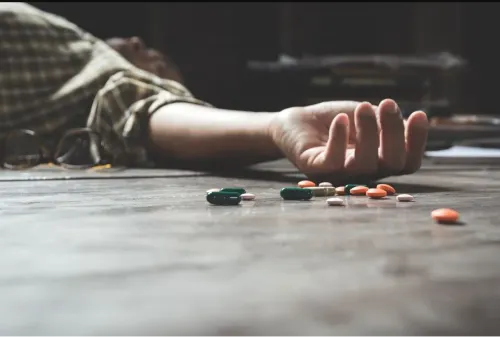
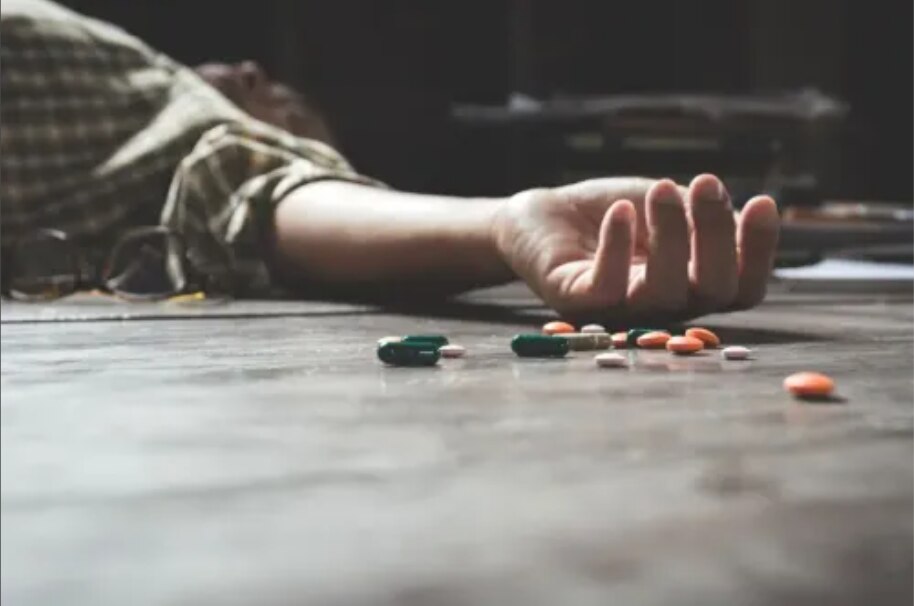
Call 112 immediately if the person is unconscious, breathing slowly or irregularly, having a seizure, experiencing chest pain, severely confused, violently unsafe, or showing signs of overdose. Do not wait for a de-addiction appointment; take the person to the nearest emergency department when urgent medical assessment is needed.
- Move away from traffic, weapons, heights and other hazards. If violence is possible, leave the area and call 112 rather than confronting or restraining the person.
- Check responsiveness and breathing. If the person is unconscious but breathing, place them on their side and keep the airway clear. Start CPR only if you know how and they are not breathing normally.
- If opioid overdose is suspected and naloxone is available, give it according to the product instructions, then remain with the person and wait for emergency help.
- Do not induce vomiting, give alcohol, force food or water, or secretly mix medicine into anything.
- Do not let the person drive. Avoid transporting an unconscious, severely agitated or medically unstable person in a private vehicle, and do not travel alone with someone who may become violent.
- Tell emergency staff what was taken, how much, and when. Bring the packet, bottle or prescription if it is safe to do so.
- For severe withdrawal, seizures or altered consciousness, use emergency care rather than home supervision.
Tele-MANAS at 14416 or 1-800-891-4416 can help you navigate urgent mental-health support after immediate medical danger is addressed. It cannot replace emergency treatment.
How to Respond When the Person Refuses Treatment
Do not turn refusal into a showdown. Speak when the person is as sober and calm as possible, use a quiet setting, and name the specific change you have observed: “You have missed work and stopped eating, and I am worried.” Avoid labels, accusations and arguments about whether they are “an addict.”
1. Ask what makes treatment unacceptable. Listen for fear of withdrawal, shame, cost, loss of work, or a previous bad experience. Reflect the concern before offering information.
2. Offer the smallest safe next step, such as a confidential assessment, a doctor’s appointment, or a family consultation. Let the person choose the time, provider and level of involvement; an assessment does not automatically mean residential admission.
3. Agree on practical support: transport, time off work, medication records, or attendance at a family session. Ask the clinician to explain withdrawal, co-occurring depression or psychosis, and outpatient versus supervised care in plain language.
4. Set boundaries without threats. Say what you will and will not do, such as refusing to provide money for substances or cover up dangerous behaviour, while keeping communication open.
Do not restrain the person or secretly mix medicine into food or drink. If they become suicidal, violent, severely confused, psychotic, or medically unstable, stop negotiating and call 112; do not transport them alone. Relatives should not supervise dangerous withdrawal at home.
Choose the Right Level of Care Before Choosing a Centre
Do not choose a bed because it is available. Ask for clinical triage before selecting a deaddiction centre in pune for family support. The assessment must check current intoxication or withdrawal, suicide or violence risk, psychosis, medical illness, pregnancy, previous treatment, and whether home is safe with reliable support.
Placement should match risk and supervision needs, not the centre’s empty beds.
| Option | What it means | When it applies |
|---|---|---|
| Outpatient care | Scheduled appointments while the person lives at home | Withdrawal risk is manageable, the person is medically and psychiatrically stable, housing is safe, and support is reliable |
| Medically supervised detoxification | Clinical monitoring and treatment during withdrawal | Daily alcohol or drug use creates significant withdrawal risk, especially after seizures or delirium tremens |
| Residential rehabilitation | Living at the facility in a structured treatment setting | Home is unsafe, relapse is persistent, support is weak, or 24-hour structure is needed without hospital-level psychiatric care |
| Psychiatric inpatient care | Hospital-level treatment for acute mental or behavioural danger | Psychosis, suicidal intent, serious violence risk, inability to care for oneself, or severe psychiatric symptoms require containment and medical care |
Detox treats acute withdrawal; it does not complete addiction treatment. Never abruptly stop heavy alcohol use at home when severe or previously complicated withdrawal is possible.
Admission does not remove the person’s rights under the Mental Healthcare Act, 2017. Ask how consent, confidentiality, medical records, communication, legal representation and complaints will be handled, and confirm medical withdrawal monitoring and emergency transfer arrangements.
How Deaddiction Centre Admission in Pune Works
A family member, friend, or the person using substances can make the first enquiry; admission itself requires the person’s consent unless a lawful provision under the Mental Healthcare Act, 2017 applies. The centre must explain confidentiality, access to records, communication, legal representation, and the grievance route. An enquiry does not commit anyone to admission.
For deaddiction centre admission in Pune, give the centre:
- The substance used, amount, frequency, last use, and route of use
- Current intoxication or withdrawal symptoms, including past seizures or delirium
- Previous treatment, hospitalisations, relapses, and prescribed medicines
- Medical conditions, psychiatric symptoms, pregnancy, allergies, and suicide or violence concerns
- The person’s address, emergency contact, support at home, and safe transport arrangements
- Identification, medical records, prescriptions, and medicines in their original packaging
Assessment must happen before staff choose outpatient care, detoxification, residential rehabilitation, or psychiatric admission. The clinician checks withdrawal severity, physical illness, mood, psychosis, trauma, thinking and memory, immediate safety, and whether home support is reliable. Severe alcohol withdrawal risk requires medical monitoring and a clear emergency-transfer plan; do not stop alcohol abruptly at home.
If admission is suitable, staff explain the diagnosis, proposed medicines, costs, consent, visitors, restraint rules, expected stay, and discharge plan. Ask for the treating clinician’s name and qualification, the written assessment, and where emergencies are transferred.
Bring medicines rather than hiding them, and seek another assessment if staff promise a permanent cure, refuse to explain sedation, or pressure the person into consent.
Questions to Ask Before You Choose a Pune Centre
A search for deaddiction centre near me in pune gives you names, not proof of clinical safety. Before comparing fees or vacant beds, ask for a documented assessment covering intoxication or withdrawal, suicide or violence risk, psychosis, medical illness, pregnancy, previous treatment and support at home. Placement must match risk, not bed availability.
| Option | What it means | When it applies |
|---|---|---|
| Outpatient care | Scheduled counselling, review and testing | The person is medically stable and safe between appointments |
| Medical detoxification | Withdrawal monitoring, medicines and emergency access | Alcohol, opioids or other substances create significant withdrawal risk |
| Residential rehabilitation | Twenty-four-hour structured recovery support | Relapse, unsafe housing or unreliable daily support blocks outpatient care |
| Psychiatric inpatient care | Hospital-level treatment and observation | Psychosis, suicidal intent, violence or inability to care for oneself is present |
Before admission, ask these questions:
- Who is the treating clinician, what is their qualification, and who monitors withdrawal overnight? Ask specifically about alcohol-withdrawal seizures, delirium tremens and emergency transfer.
- Can you show the written assessment, diagnosis, medicines, total charges, consent process, visitor rules and restraint policy?
- What happens if the person becomes suicidal, violent, severely confused or medically unstable?
- What follow-up includes family psychoeducation, relapse planning, boundary-setting and family sessions after discharge? A guaranteed seven-, 14- or 28-day cure is a warning sign.
- Manovardhan Rehabilitation Centre Baner, Pune should be assessed by these same questions, including how its outpatient and family support connect after discharge.
Refusal to explain medicines, unexplained sedation, forced testimonials or guaranteed permanent cures are reasons to seek another assessment. Never ask relatives to manage dangerous withdrawal alone.
Frequently asked questions
What should I do during a substance-related crisis?
Call 112 if the person is unconscious, breathing slowly or irregularly, having a seizure, experiencing chest pain, severely confused, violently unsafe, or showing overdose signs. Go to the nearest emergency department when urgent medical assessment is needed.
How should I respond when someone refuses addiction treatment?
Keep the conversation calm, avoid threats and arguments, state specific safety concerns, and offer a treatment assessment. Seek emergency help if the person becomes medically or violently unsafe.
How do I choose the right level of addiction care?
Consider withdrawal risk, medical and psychiatric needs, current substance use, safety concerns, and the support available at home before choosing outpatient, inpatient, or counselling-based care.
What happens during deaddiction centre admission in Pune?
Ask the centre to explain its initial assessment, medical supervision, treatment plan, admission documents, family communication process, fees, and emergency arrangements before admission.
Keywords