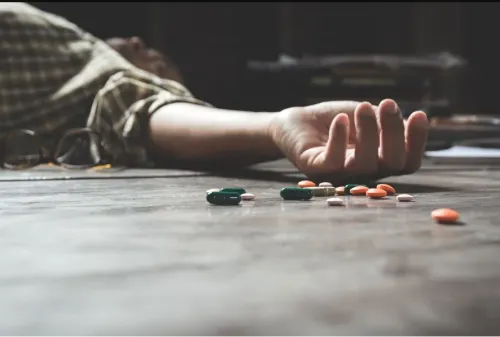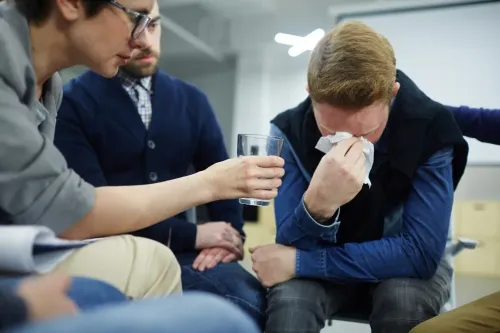

Alcohol use can become problematic gradually. What begins as social or occasional drinking may increase in frequency until alcohol starts influencing sleep, health, relationships, work and emotional stability. Because alcohol is socially accepted and widely available, families may struggle to determine when drinking has moved beyond a habit that can be managed independently.
An Alcohol Addiction Treatment Centre in Pune may be considered when repeated efforts to reduce or stop drinking have not worked or when alcohol dependence requires more structured assessment and support.
Warning signs can include drinking larger amounts than intended, needing alcohol more frequently, experiencing cravings, hiding alcohol use, neglecting responsibilities or continuing to drink despite health and relationship consequences.
Physical dependence deserves particular attention. Someone who drinks heavily or regularly may experience withdrawal after reducing or stopping alcohol. Symptoms can vary in severity, and certain withdrawal complications can be medically significant. Professional assessment can determine the appropriate level of supervision.
Residential treatment may be useful when:
- Previous attempts to stop have repeatedly resulted in relapse
- The home environment contains strong drinking triggers
- Alcohol use is seriously disrupting daily functioning
- Family conflict is making recovery difficult
- The person requires structured routines and supervision
- Coexisting psychiatric concerns need assessment
- Outpatient support has not provided sufficient stability
Residential rehabilitation offers separation from immediate access and familiar triggers, but that is only part of its purpose.
Treatment should also help the person understand the role alcohol has been playing in daily life. Some people drink in response to stress or sleep difficulties. Others associate alcohol with socialising, work pressure, loneliness or emotional distress. Identifying these patterns is necessary for developing alternatives.
The recovery plan may involve counselling, behavioural interventions, psychiatric care when indicated, structured daily activities, family involvement and relapse-prevention work.
Pune's professional and social environment can present particular challenges after discharge because alcohol may be easily available at social gatherings, restaurants and workplace events. Recovery planning should therefore include realistic strategies for situations the person is likely to encounter.
At Manovardhan Rehabilitation Centre Baner, Pune, individuals seeking alcohol-related rehabilitation can undergo assessment so that treatment requirements can be considered in context.
Residential care is not automatically required for every person who drinks excessively. The decision depends on dependence severity, withdrawal risk, physical and psychological health, previous treatment experiences and the person's living environment.
When alcohol repeatedly interferes with normal functioning or stopping has become difficult, a structured assessment can provide families with clearer information about whether residential rehabilitation is an appropriate next step.
Keywords