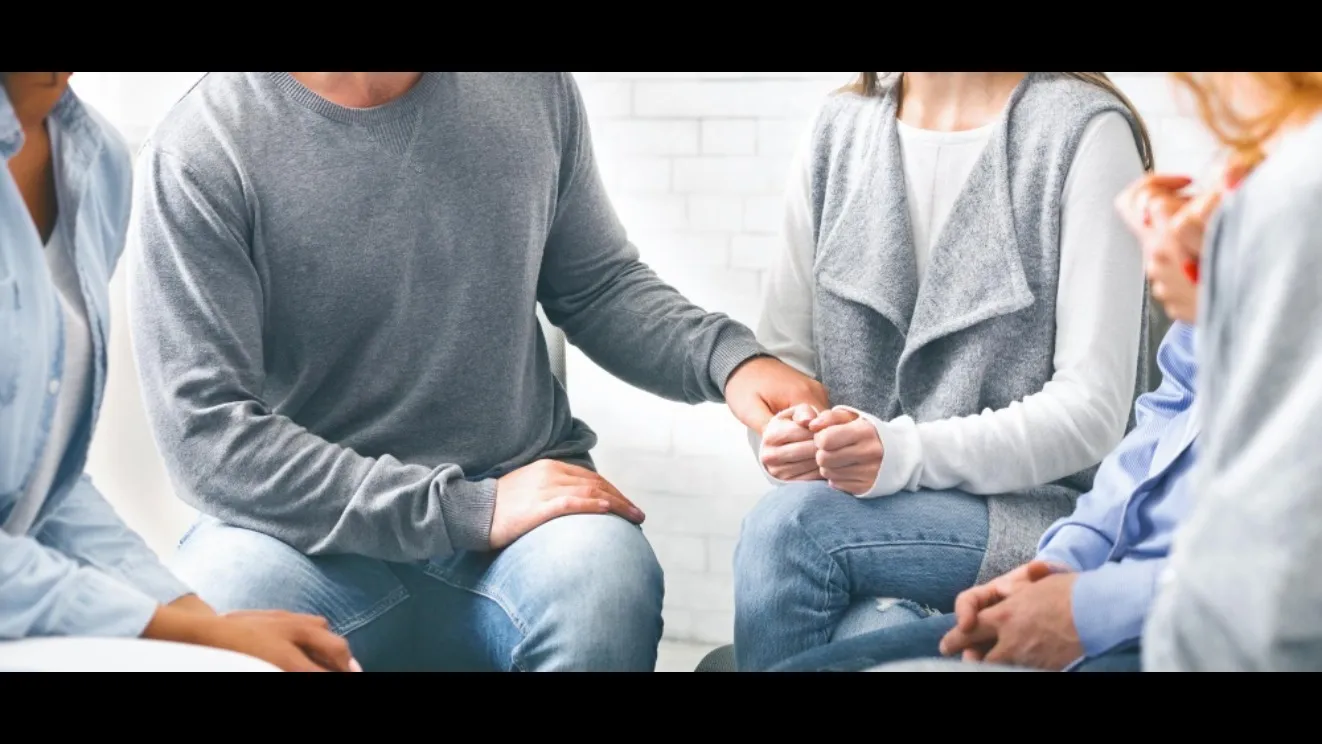
A rehabilitation centre provides structured care for people whose mental health condition, substance dependence, behavioural difficulties, or reduced daily functioning cannot be managed effectively through occasional consultations alone. Rehabilitation focuses not only on controlling symptoms but also on rebuilding routines, confidence, relationships, and practical life skills.
At Manovardhan Rehabilitation Centre in Baner, rehabilitation is approached as a gradual process shaped by the individual’s health needs, level of functioning, family circumstances, and clinical assessment. This distinction is important because two people with similar symptoms may require very different levels of supervision and support.
What Rehabilitation Care May Include
A rehabilitation programme generally combines several forms of care rather than relying on a single intervention. Depending on the person’s condition, the plan may include:
- Psychiatric assessment and periodic medical review
- Medication management when clinically indicated
- Individual counselling and supportive conversations
- Behavioural observation and symptom monitoring
- Structured sleep, hygiene, meal, and activity routines
- Group-based therapeutic activities
- Social and communication skill development
- Family education and caregiver guidance
- Preparation for greater independence
The purpose is to help the person participate more consistently in everyday life. Progress may be visible through improved self-care, better communication, reduced behavioural disruption, or a growing ability to manage responsibilities.
Rehabilitation Is Different From Short-Term Treatment
Short-term treatment may address an immediate concern such as withdrawal symptoms, severe anxiety, disturbed sleep, or a sudden psychiatric episode. Rehabilitation usually continues beyond this stage.
A rehabilitation centre works on the difficulties that remain after the immediate symptoms have been assessed. Someone may be medically stable yet still struggle to follow a routine, manage emotions, communicate with family members, or avoid situations linked to substance use.
Rehabilitation therefore connects clinical care with practical recovery. It gives the person time to practise healthier patterns in a supervised setting before returning to less structured surroundings.
The Role of Routine in Recovery
A predictable routine can be particularly helpful when mental illness or addiction has disrupted daily life. Regular waking times, meals, personal hygiene, physical activity, therapeutic sessions, and rest periods create a stable framework.
Routine is not simply about discipline. It can help the care team observe changes in behaviour, mood, appetite, sleep, and social participation. It may also help individuals regain a sense of control over tasks that previously felt overwhelming.
For families in Baner and neighbouring Pune localities, residential rehabilitation may be considered when home-based care has become difficult to maintain safely or consistently. The need for residential support should be based on professional assessment rather than family frustration alone.
Family Participation Remains Important
Recovery does not occur in isolation. Family members often need guidance on communication, boundaries, medication adherence, warning signs, and realistic expectations.
Helpful family involvement may include:
- Attending scheduled review discussions
- Sharing accurate information about previous symptoms
- Avoiding blame-based conversations
- Learning how to respond to setbacks
- Supporting the discharge and follow-up plan
Families should also understand that improvement is rarely a straight line. Some abilities may return quickly, while changes in motivation, judgement, or social behaviour can take longer.
A rehabilitation centre can provide a bridge between acute treatment and independent community living. Its value lies in coordinated care, daily structure, continued observation, and support that respects the individual’s needs, dignity, and pace of recovery.
Keywords