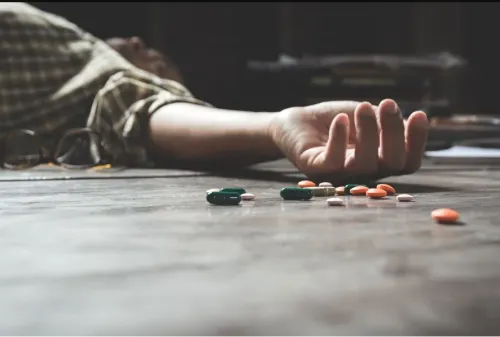

Selecting a drug addiction treatment centre is a significant decision for both the individual and the family. The right programme should address withdrawal risks, psychological dependence, behavioural patterns, physical health, and the circumstances that may contribute to continued substance use.
Manovardhan Rehabilitation Centre in Baner provides structured support for individuals experiencing substance-related difficulties. Before choosing any treatment facility, families should understand the person’s clinical needs instead of making a decision based only on promises, appearance, or the shortest available programme.
Begin With a Professional Assessment
Drug dependence can involve prescription medicines, opioids, cannabis, stimulants, sedatives, inhalants, or multiple substances. Each pattern carries different health concerns. The person’s age, duration of use, previous withdrawal experiences, psychiatric symptoms, and medical history can also affect treatment planning.
A proper assessment should explore:
- Substances currently being used
- Frequency, quantity, and duration of use
- Previous treatment and relapse history
- Physical withdrawal symptoms
- Depression, anxiety, aggression, or unusual behaviour
- Existing medical conditions
- Family relationships and living environment
- Motivation and willingness to participate
This evaluation helps determine whether the individual requires medically supervised withdrawal management, residential rehabilitation, outpatient support, or another level of care.
Look Beyond Detoxification
Detoxification helps manage the immediate effects of stopping a substance. It is an important clinical stage, but it does not address every factor linked with addiction.
A comprehensive drug addiction treatment centre should also provide psychological and behavioural support. This may include individual counselling, group sessions, relapse-prevention education, routine development, family meetings, and psychiatric care when indicated.
Families should ask how the programme helps individuals understand triggers. Common triggers may include conflict, loneliness, work pressure, untreated mental health symptoms, social exposure, easy access to substances, and difficulty coping with uncomfortable emotions.
Review the Treatment Environment
The physical and emotional environment can influence participation in recovery. The centre should maintain appropriate supervision, cleanliness, privacy, respectful communication, and clear daily routines.
Important points to evaluate include:
- Whether admission begins with a documented assessment
- How withdrawal symptoms and medical concerns are managed
- Whether qualified professionals are involved in care
- How medications are stored and administered
- How emergencies are handled
- Whether families receive periodic updates
- How patient dignity and confidentiality are protected
- What follow-up is recommended after discharge
A treatment environment should never rely on humiliation, threats, or punishment. Recovery requires accountability, but accountability can be maintained without compromising a person’s dignity.
Understand the Role of Family Support
Families may unintentionally support continued drug use by providing money without accountability, hiding incidents, clearing debts repeatedly, or accepting explanations that do not match observed behaviour. At the opposite extreme, constant criticism can increase defensiveness and conflict.
A suitable programme should help relatives establish clearer boundaries while maintaining constructive communication. Family members may also need guidance on recognising relapse warning signs and responding without panic.
For people seeking treatment in Baner, accessibility within Pune can support family participation and scheduled follow-ups. Location should still be considered alongside clinical suitability rather than used as the only deciding factor.
Ask About Continuing Care
Recovery does not end on the discharge date. Returning to the same social pressures and triggers without a follow-up plan can create difficulties.
Continuing care may include psychiatric reviews, counselling, support meetings, medication monitoring, structured activities, and family check-ins. The plan should be adjusted according to progress and emerging risks.
Families considering structured drug addiction care can speak with Manovardhan Rehabilitation Centre to understand the assessment and admission process. Treatment outcomes vary, but timely evaluation and consistent participation can provide a stronger foundation for continued recovery.
Keywords